
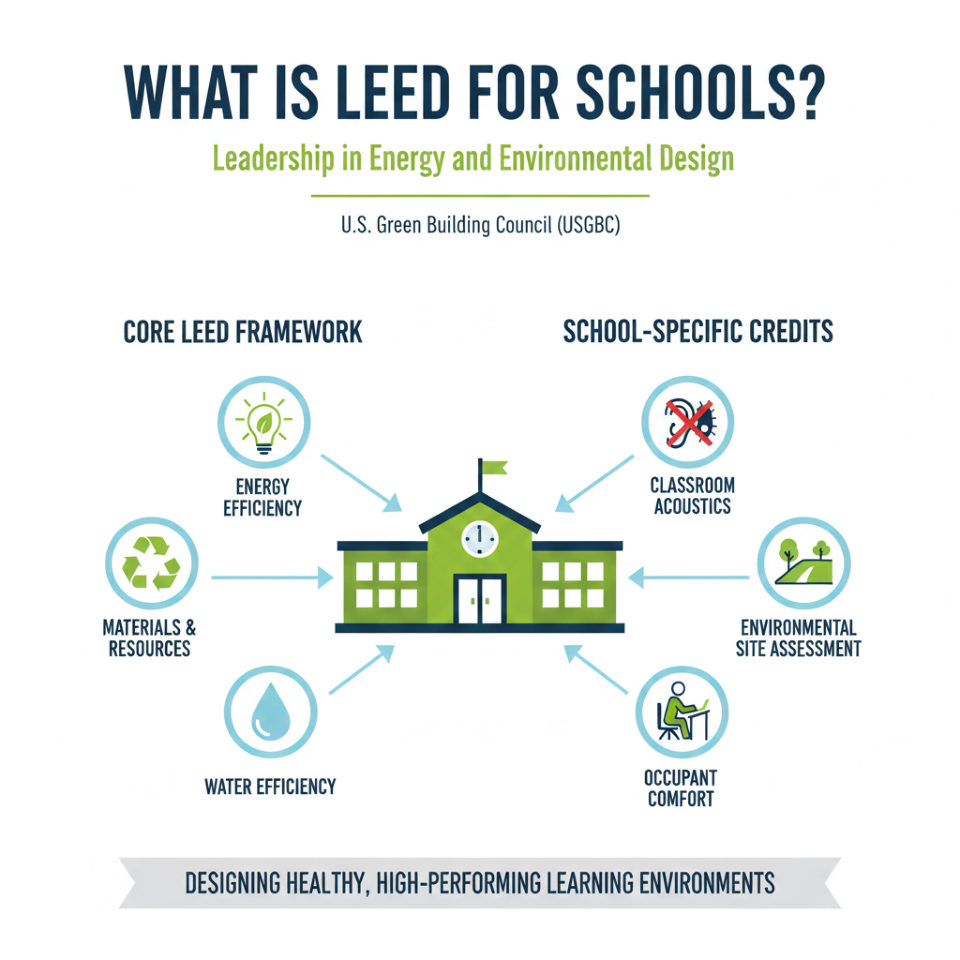
School districts and educational institutions across North America are increasingly pursuing LEED certification to demonstrate their commitment to student health, environmental stewardship, and operational efficiency. LEED for Schools provides a comprehensive framework for designing, constructing, and operating high-performance learning environments. However, achieving certification is only half the battle - maintaining that performance over the life of the building requires ongoing attention to critical systems like water treatment, HVAC efficiency, and indoor environmental quality. This guide explores how educational facilities can navigate the LEED for Schools certification process while ensuring long-term performance through proper water management and scale prevention strategies.
LEED points available across categories
Prerequisites: Minimum requirements for certification
Credit Categories: 9 key performance areas
Certification Levels: Certified, Silver, Gold, Platinum
Explore Sustainability ResourcesWhat is LEED for Schools?
LEED (Leadership in Energy and Environmental Design) for Schools is a specialized rating system developed by the U.S. Green Building Council (USGBC) to address the unique needs of educational facilities. It builds on the core LEED framework while adding credits specific to classroom acoustics, mold prevention, environmental site assessment, and occupant comfort - all critical factors in learning environments.
Why Schools Pursue LEED
- Improved student health and attendance
- Enhanced learning outcomes
- Lower operating costs
- Community leadership and pride
- Access to grants and incentives
Certification Levels
- Certified: 40-49 points
- Silver: 50-59 points
- Gold: 60-79 points
- Platinum: 80+ points
The 9 Key Performance Areas
Location & Transportation
Encourages access to alternative transportation, proximity to services, and responsible site selection.
Up to 16 pointsSustainable Sites
Focuses on protecting habitats, managing stormwater, reducing heat islands, and light pollution.
Up to 10 pointsWater Efficiency
Reduces indoor and outdoor water consumption through efficient fixtures, irrigation, and cooling tower management.
Up to 12 pointsEnergy & Atmosphere
Optimizes energy performance, promotes renewable energy, and ensures ongoing commissioning and monitoring.
Up to 33 pointsMaterials & Resources
Encourages sustainable purchasing, waste reduction, and use of environmentally preferable materials.
Up to 13 pointsIndoor Environmental Quality
Addresses air quality, thermal comfort, lighting, acoustics, and occupant control - critical for learning environments.
Up to 16 pointsInnovation
Rewards exceptional performance and innovative strategies beyond standard credit requirements.
Up to 6 pointsRegional Priority
Addresses geographically specific environmental priorities identified by USGBC chapters.
Up to 4 pointsSchool-Specific Credits
Unique to LEED for Schools: acoustic performance, mold prevention, environmental site assessment.
Varies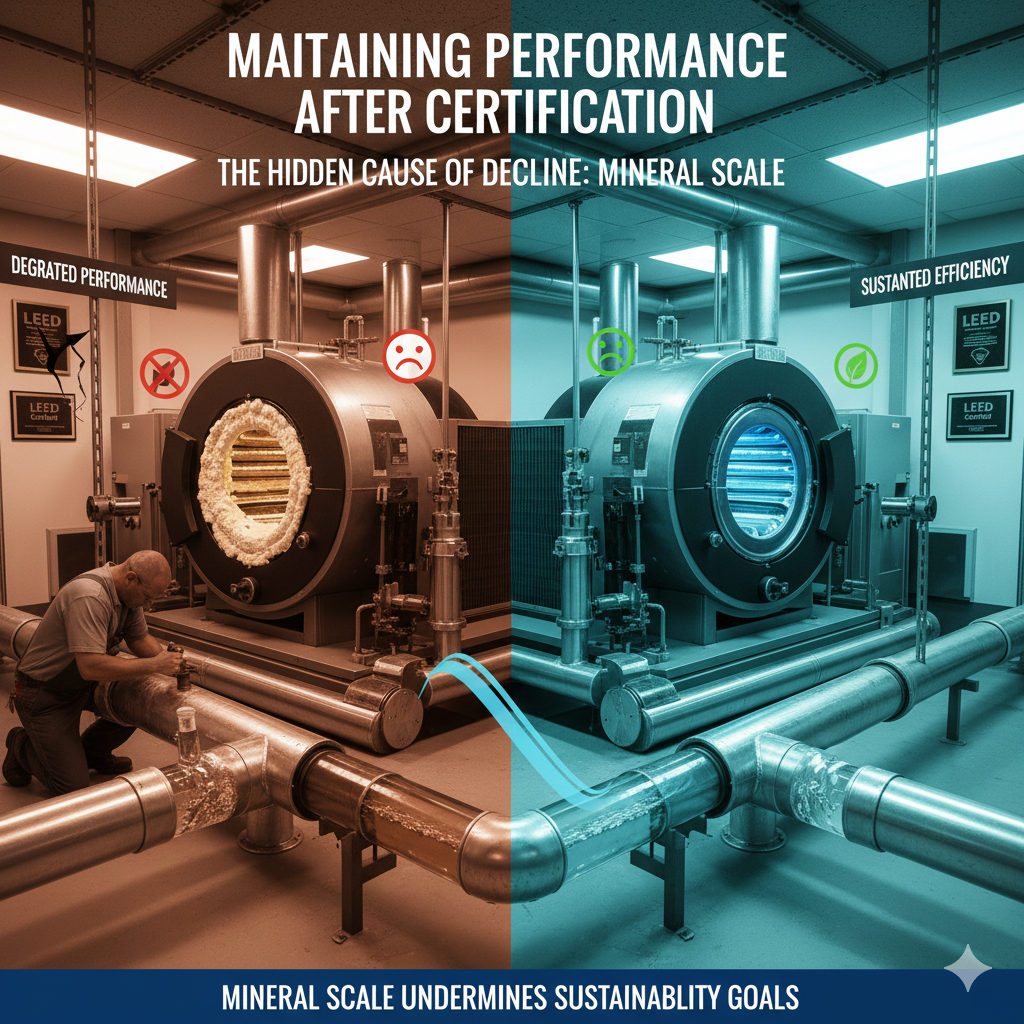
Maintaining Performance After Certification
Many schools achieve LEED certification only to see their performance degrade over time as equipment scales, efficiency drops, and water quality declines. Mineral scale buildup in boilers, chillers, cooling towers, and plumbing systems directly undermines the sustainability goals that LEED certification represents.
- Energy & Atmosphere credits: Scale on heating elements increases energy consumption by 7-10% per 1mm, eroding energy savings
- Water Efficiency credits: Scale in cooling towers forces more frequent blowdowns, wasting water
- Indoor Environmental Quality: Scale in HVAC systems reduces thermal comfort and indoor air quality
- Ongoing commissioning: Scale-related equipment failures require unscheduled maintenance and repairs
Critical Insight: LEED certification is not a one-time achievement - it requires ongoing performance verification. Schools that fail to maintain their water systems risk losing the operational benefits and environmental impact that justified their investment.
How Scale Prevention Supports LEED Credits
Water Efficiency Credits
- WE Credit 1: Cooling tower water use - scale-free systems operate at higher cycles of concentration, reducing blowdowns and makeup water
- WE Credit 2: Water metering - scale-free pipes maintain accurate flow measurements
- WE Credit 3: Outdoor water use - scale-free irrigation systems deliver uniform coverage without waste
Energy & Atmosphere Credits
- EA Credit 1: Optimize energy performance - clean heat exchangers, boilers, and chillers maintain design efficiency
- EA Credit 3: Enhanced commissioning - scale prevention ensures systems operate as designed
- EA Credit 5: Measurement and verification - consistent performance enables accurate data collection
Indoor Environmental Quality Credits
- EQ Credit 1: Enhanced IAQ strategies - clean HVAC systems deliver better air quality
- EQ Credit 4: Thermal comfort - consistent temperatures from scale-free heating/cooling
- School-Specific: Mold prevention - eliminating moisture-trapping scale reduces mold risk
Innovation & Regional Priority
- Innovation Credit: Chemical-free water treatment can qualify as an innovative strategy
- Regional Priority: Water conservation strategies often align with regional environmental priorities
Real Proof: UC Davis - Bodega Marine Laboratory
Facility: UC Davis Student Housing Facilities Services
Application: Residential housing and laboratory water systems
The Challenge
UC Davis spent five years exploring alternative water treatment systems due to environmental, sustainability, cost, and safety concerns with traditional salt-based softeners. Ground water measured 7 grains/gallon hardness.
The Solution
Vulcan was selected as a chemical-free alternative to salt softeners. The goal: eliminate scale without environmental impact, reduce chemical usage, and maintain sustainability goals.
The Results
- Scale reduced, changed to powdery type easily removed
- Soaps and detergents needed in reduced quantities
- Water feels softer, lathers better
- No salt, no chemicals, no environmental impact
Why This Matters for LEED Schools: When sustainability is your goal, chemical-free solutions align perfectly with LEED's environmental objectives. UC Davis proved that scale prevention doesn't require sacrificing environmental principles.
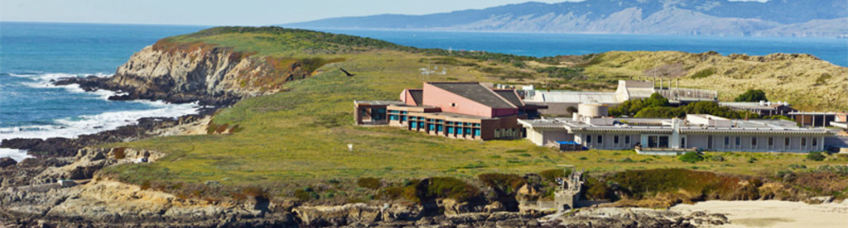
UC Davis - Scale prevented, chemicals eliminated, sustainability goals achieved
Irrigation Efficiency: AVRIL Supermarket Greenhouse
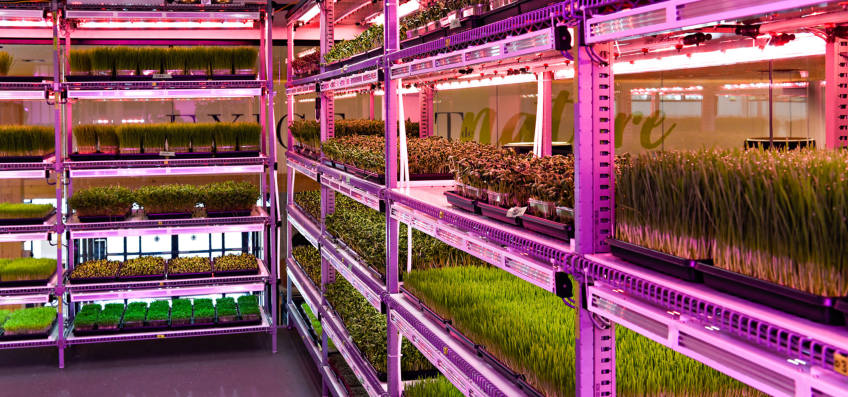
AVRIL Supermarket - All 2,640 drippers restored to perfect operation
Facility: AVRIL Supermarket Greenhouse
Application: 2,640 irrigation drippers for microgreen production
The Challenge
Before Vulcan, 60% of microgreen trays received uneven water due to clogged drippers. Staff had to hand-water to prevent plant death - a labor-intensive and inefficient process.
The Solution
Vulcan installed on the main irrigation line to prevent scale buildup in drippers and ensure uniform water distribution.
The Results
- After 7 months, all 2,640 drippers delivered even water
- No more hand-watering required
- Plants thriving with uniform coverage
- Labor costs dramatically reduced
LEED Water Efficiency Connection: School grounds irrigation faces the same challenges. Scale-free irrigation means no waste, no dry spots, and perfect coverage - directly supporting WE credits.
Cooling Tower Efficiency: Supermall Karawaci 4-Year Study
Facility: Supermall Karawaci, Indonesia
Application: 408TR cooling tower system, 45 m³ water volume, 318 m³/h flow
The Challenge
Scale in circulation systems reduced pump efficiency and increased energy consumption. Traditional chemical treatment was costly and required ongoing maintenance.
The Solution
Vulcan S500 installed on cooling tower main pipe. Four-year field test conducted with no chemical treatment.
The Results
- No scale formation for 4 years
- Pumps at constant efficiency
- Zero chemical treatment required
- EC limit increased from 1,200 to 10,000 µS/cm
- Blowdowns reduced from daily to 1-2 per year
LEED Energy & Atmosphere Connection: School HVAC systems with cooling towers face identical scaling issues. Clean towers maintain design efficiency, reduce energy consumption, and minimize water waste - directly supporting EA and WE credits.
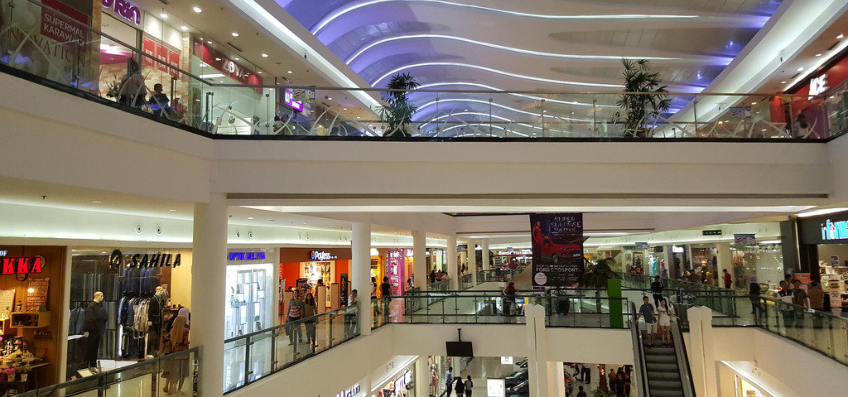
Supermall Karawaci - 4 years, zero scale, zero chemicals
Steps to LEED Certification for Schools
Register
Submit project registration through USGBC website and pay registration fee
Design & Document
Implement sustainable strategies and document compliance with chosen credits
Submit Application
Upload documentation for review by the Green Business Certification Inc. (GBCI)
Certification
Receive final review and certification level based on points achieved
Important: LEED certification requires ongoing performance verification. Schools must maintain building operations and report performance data to maintain their certification status.
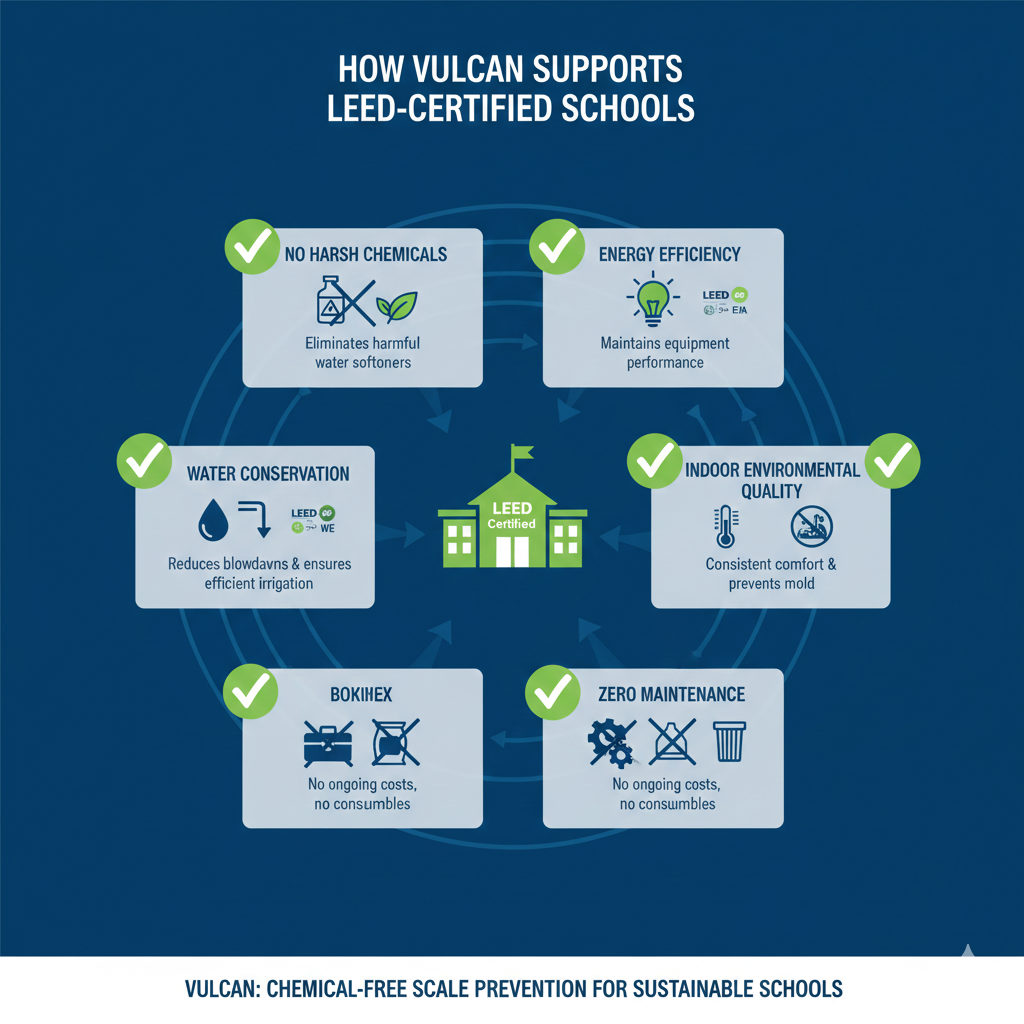
How Vulcan Supports LEED-Certified Schools
- ✓
No harsh chemicals – Eliminates need for acid cleaning and chemical water softeners that harm the environment and contradict sustainability goals [1].
- ✓
Energy efficiency – Maintains design efficiency of boilers, chillers, and heat exchangers, supporting Energy & Atmosphere credits [4].
- ✓
- ✓
Indoor environmental quality – Maintains consistent thermal comfort and prevents mold growth by eliminating moisture-trapping scale [2].
- ✓
Zero maintenance – Once installed, Vulcan works automatically - no ongoing costs, no consumables, no labor.
Selecting the Right Model for Your School
Different school sizes and facility types require different Vulcan models. Create an account to view detailed specifications and pricing.
| School Type | Typical Equipment | Recommended Model | Pipe Size | Flow Rate |
|---|---|---|---|---|
| Elementary / Small School | Boilers, water heaters, kitchen equipment | Vulcan S10 or S25 | 3-4" | 65-130 GPM |
| Middle / High School | Multiple boilers, cooling towers, irrigation | Vulcan S50 or S100 | 5-6" | 300-530 GPM |
| University / Campus | Central plants, district heating, multiple buildings | Vulcan S150 or larger | 8-40" | 790+ GPM |
LEED Pre-Certification Checklist
- Form your project team with LEED-accredited professionals
- Register your project with USGBC
- Conduct site assessment and environmental review
- Establish water efficiency baseline and goals
- Design energy systems to exceed ASHRAE 90.1 baseline
- Specify chemical-free water treatment for HVAC systems
- Plan for ongoing commissioning and performance monitoring
- Document all sustainable strategies with photos and data
- Submit documentation for credit review
Related Resources
ESG & GRESB Reporting
How Vulcan supports sustainability reporting and ESG goals for educational institutions.
Decarbonization Strategies
Reduce carbon emissions through improved energy efficiency and chemical-free operations.
Cooling Tower Management
Optimize cooling tower performance for LEED water efficiency credits.
References:
Ready to Support Your School's LEED Goals?
Join educational institutions nationwide that have eliminated scale, improved energy efficiency, and maintained LEED performance with Vulcan's chemical-free technology.
About the Author
Waslix (Vulcan Mineral Descaler) provides non-chemical, maintenance-free scale prevention using Vulcan impulse technology. We help educational institutions achieve and maintain LEED certification by keeping boilers, chillers, cooling towers, and irrigation systems operating at design efficiency - without salt, chemicals, or ongoing maintenance. Create an account for detailed model specifications and pricing.

