
The Zero-Discharge Imperative
Cooling towers are notorious for their high operational costs, excessive water use and substantial environmental impact [6]. As environmental regulations tighten worldwide, facilities face mounting pressure to eliminate chemical discharge while maintaining efficiency.
26%
Water savings with AOP [1]
50%
Maintenance reduction [1]
9.5
Cycles of concentration achieved [6]
2 years
Typical payback [1]
The Central Harlem Legionnaires' disease outbreak—which sickened over 100 individuals and claimed seven lives—traced back to contaminated cooling towers, underscoring the critical importance of effective water treatment and monitoring [1]. Yet traditional chemical approaches create their own environmental burdens: discharge limits under 40 CFR 423.16 restrict chromium to below 0.2 mg/L and zinc below 1.0 mg/L [4], while 40 CFR Part 63 Subpart Q prohibits chromium-based treatment entirely [8].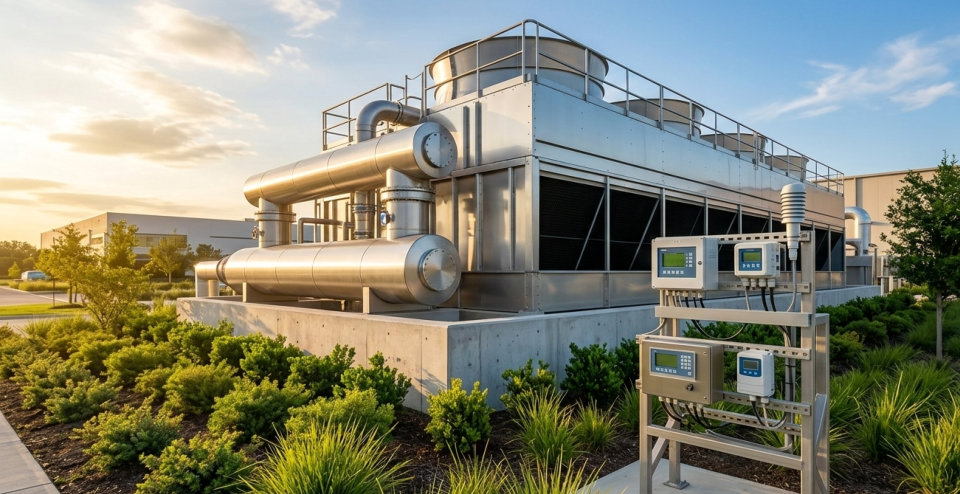
The Opportunity
Chemical-free technologies now enable cooling towers to operate at higher cycles of concentration—reducing blowdown, conserving water, and eliminating discharge compliance burdens entirely.
Cycles of Concentration: The Key to Water Efficiency
Cycles of concentration (COC) is the ratio of dissolved minerals in the recirculating water compared to the dissolved minerals in the fresh water make-up of a cooling tower [5]. When water evaporates, only pure H₂O is driven off, leaving dissolved solids behind. Higher COC means less blowdown, which translates to less water and fewer chemicals [1].
Traditional Chemical Approach
Typical COC range: 3 to 6 cycles [6]
Limitations: Scale inhibitors allow slightly higher cycles but introduce phosphates, polymers, and discharge concerns. Chemical treatment adds $15,000-$30,000 annually in operating costs.
The savings effected by a recirculating system compared to a once-through system are maximized at about four to six cycles of concentration with chemical treatment. At high cycles (e.g., eight to 10), the additional water savings generally are not commensurate with the increased difficulty of effective chemical treatment [4]. Chemical-free technologies break this barrier.
The Spectrum of Chemical-Free Cooling Tower Technologies
Multiple non-chemical approaches now exist, each with distinct mechanisms. Understanding the differences is essential for selecting the right solution.
| Technology | Mechanism | Key Validation | Limitations |
|---|---|---|---|
| Hydroxyl-Based AOP | Generates hydroxyl radicals (•OH) that oxidize contaminants, destroy biofilm, and break down scale-forming minerals [1] | NREL/GSA study: 26% water savings, 50% maintenance reduction, 9.5 cycles achieved [6] | Requires electricity; some systems need minimal biocide occasionally [6] |
| Hydrodynamic Cavitation | Forces water through precision nozzles creating cavitation bubbles that collapse with intense local energy, precipitating calcium carbonate as non-sticking colloids [9] | UK L-8 Legionella compliant; treats systems from 20 to 15,000 tons [9] | Requires filtration to remove precipitated solids |
| On-Site Peroxide Generation | Generates Peroxide UltraPure on-site and injects into cooling water loop [3] | Nipro glass manufacturing: zero chemical discharge, eliminated CO₂ emissions from chemical transport [8] | Generates oxidant (still a chemical, though produced on-site) |
| Vortex Flow Cavitation | 3D-printed vortex core spins water into controlled cavitation, disrupting biofilm and reducing scale [4] | Claims up to 50% water savings, 24-36 month ROI [4] | Passive device, no moving parts, but less published validation |
| Electrochemical Treatment | Electrolytic process for cooling towers and automatic tube cleaning for condensers [10] | India Habitat Center pilot [10] | Limited public data |
Third-Party Validation: The GSA/NREL Study
The General Services Administration (GSA), in collaboration with the Department of Energy (DOE) and the National Renewable Energy Laboratory (NREL), conducted a comprehensive evaluation of alternative water treatment technologies at the Denver Federal Center [6].
- Facility: Denver Federal Center, Building 95 – 163,000 sq ft office/laboratory
- Duration: 2014-2017 evaluation period
- Context: 41% water rate increase during study period
- Technologies tested: AOP, electrochemical, salt-based, chemical scale inhibition [6]
- 527,791 gallons annual water savings (26.3% reduction) [6]
- Cycles of concentration: 9.54 annual average (vs. typical 3-6) [6]
- Maintenance costs: Reduced by $2,522 annually [6]
- O&M hours: 50% reduction [6]
- Payback period: 2.1 years at average water cost [6]
- Savings-to-investment ratio: 7.2 at $16.76/kgal [6]
What This Means
"A COC of 10 captures 84% of the potential water savings" [6]. Chemical-free treatment achieves what chemical programs cannot—pushing cycles to their theoretical maximum while eliminating discharge.
Hydroxyl-Based Advanced Oxidation Process (AOP)
How It Works
Hydroxyl-Based AOP generates powerful oxidizing agents—hydroxyl radicals (•OH)—that are incredibly reactive and can obliterate contaminants like biofilm, organic matter, and minerals that lead to scaling and fouling [1].
Scale Prevention Mechanism:
- Hydroxyl radicals break down dissolved minerals that lead to scale formation
- They zap organic matter that provides the sticky surface for scale to latch onto
- Biofilm destruction means scale has nowhere to attach [1]
Biofilm Destruction:
"Biofilm is basically the glue that helps scale stick around. AOP knocks out biofilm so that scale has nowhere to go, keeping your surfaces clean and free-flowing." [1]
NREL Validation Results [1][7]
- 26% water savings (23-30% estimated range)
- 50% maintenance reduction
- Meets GSA water standards without additional chemicals
- 2-year payback at average water costs
"A borescope view of the condenser tubes after two years of operation showed a significant decrease in fouling compared to traditional chemical treatments." [6]
Hydrodynamic Cavitation: Mechanical Scale Prevention
The Physics of Cavitation
Cavitation is the dynamic formation and collapse of micro bubbles in a fluid. The bubbles collapse through a violent process, creating an acoustic shockwave, visible light, and forcing a shift in the chemical equilibrium of calcium bicarbonate. At the point of total collapse, the temperature of the vapor within the bubble may be several thousand degrees Fahrenheit, and the pressure several hundred atmospheres, releasing enough energy to destroy bacteria [9].
Controlled Hydrodynamic Cavitation Benefits [9]:
- Scale Control: Drives solid particles of calcium carbonate from solution to form non-sticking colloidal crystals that can be filtered
- Bacteria Control: Extreme pressures and temperatures physically destroy bacteria including Legionella—bacteria cannot develop resistance
- Corrosion Control: Elevates pH to approximately 8.5 through CO₂ removal, eliminates corrosive biocides, destroys MIC-causing bacteria
Key Differentiator
"EcoWater CHC is the only non-chemical technology that is compliant with the United Kingdom's L-8 Legionella standard, which is widely considered to be the most stringent in the world." [9]
Systems available: 20 to 15,000 tons [9]
Filtration requirement: Precipitated scale removed via centrifugal separation and stainless-steel mesh screens
Side Stream Filtration: A Complementary Approach
The Department of Energy identifies side stream filtration as a water-efficient technology that reduces suspended solids, fouling, and scaling [2].
How It Works
Side stream filtration systems constantly filter a portion of water to remove suspended solids and organics, reducing the likelihood of fouling, scaling, and microbiological growth [2].
Benefits [2]:
- Reduces fouling and corrosion by-products that act as nucleation sites for scaling
- Removes large particles that host microbiological growth
- Can increase cycles of concentration
- Reduces chemical use by eliminating solids that buffer treatment effectiveness
Important Distinction
DOE explicitly notes: "It should be noted that side stream filtration does not replace the need for chemical treatment." [2]
Filtration removes suspended particles but does not address dissolved minerals that form scale. Chemical-free technologies like Vulcan, AOP, or cavitation address the dissolved phase—making filtration complementary rather than standalone.
Vulcan + filtration = comprehensive physical treatment
Advanced Controls: Optimizing Chemical-Free Operation
Advanced cooling tower controllers provide real-time monitoring to manage cycles of concentration [5]. These controllers ensure cooling towers operate at specified cycles by continuously monitoring and controlling conductivity [5].
Benefits [5]:
- Energy savings from cleaner heat-exchange surfaces
- Water savings by running optimal cycles of concentration
- Chemical savings by eliminating needless overfeeding (if chemicals are used)
Proven Savings:
An independent 2011 study for California determined that implementing cooling tower controls state-wide on towers 150 tons and larger could save 32.3 million gallons of water in the first year [5].
Vulcan Integration: Advanced controls pair perfectly with Vulcan—monitoring conductivity while Vulcan prevents scale, allowing the controller to maximize cycles without chemical intervention.
Real‑World Cooling Tower Success Stories
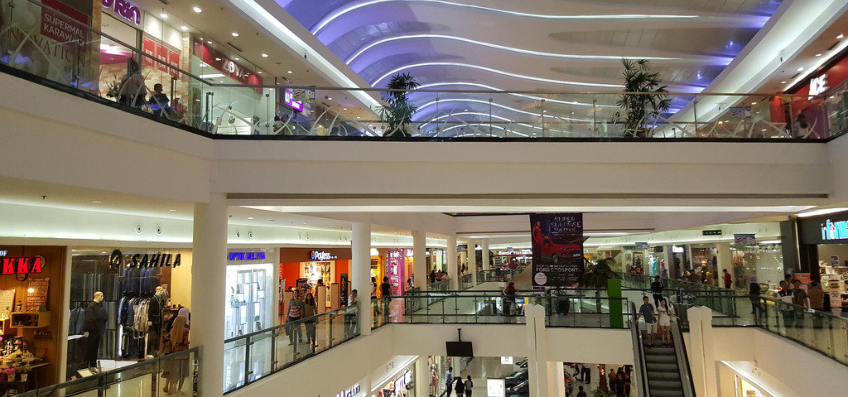
Supermall Karawaci
Massive shopping center with severe scaling in cooling towers.
✓ Results:
Scale eliminated, energy consumption reduced by 11%, maintenance costs dropped immediately.
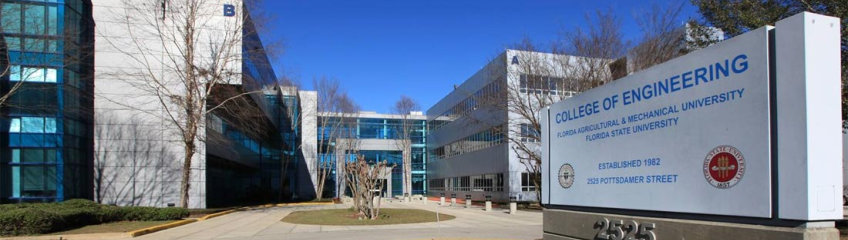
FAMU/FSU Engineering
Twin cooling towers with severe scale after discontinuing chemicals.
✓ Results:
Biofilm receded in 5 weeks; scale reduced by 60%; no other cleaning procedures.
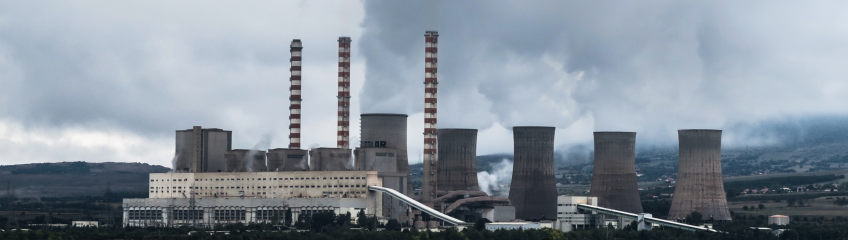
Beihai Thermal Power
DN600–DN1000 pipes serving plate heat exchangers and heat pumps.
✓ Solution:
3 x X‑Pro 1, 2 x X‑Pro 1, 1 x X‑Pro 2 installed. Scale prevented, heat transfer restored.

Critical Distinction: How Chemical-Free Technologies Compare
Not all "chemical-free" technologies are created equal. Understanding the differences is essential for selecting the right solution for your cooling tower.
| Technology | Energy Required | Consumables | Maintenance | Waste Stream | Validation |
|---|---|---|---|---|---|
| Hydroxyl-Based AOP | Electricity | Minimal biocide (occasional) [6] | Moderate | None | NREL/GSA Level 3 [6] |
| Hydrodynamic Cavitation | None (passive) | None [9] | Very low | Filter backwash | UK L-8 [9] |
| On-Site Peroxide | Electricity | Water, salt, electricity [3] | Moderate | None | Nipro case study [8] |
| Vortex Cavitation | None (passive) | None [4] | Zero | None | Limited |
| Vulcan (Physical Impulse) | Minimal electricity | Zero [6] | Zero | None | 20+ years global installations |
The Vulcan Advantage
While AOP requires electricity and occasional biocide, and cavitation requires filtration and periodic backwash, Vulcan's physical impulse technology offers:
- Zero consumables
- Zero maintenance
- Zero waste stream
- Zero moving parts
- Zero chemical handling
- Zero discharge compliance concerns
Real Proof: Nipro Glass Manufacturing, France
Facility: Nipro Glass Manufacturing
Location: Aumale, France
Technology: BWT ECO-UV+ by HPNow (on-site peroxide generation)
The Challenge
Nipro sought a cutting-edge water treatment solution that would eliminate the use of chemicals while maintaining optimal cooling tower performance, driven by commitment to environmental responsibility and operational excellence [3].
The Results
- Zero chemical discharge
- Eliminated CO₂ emissions from chemical production/transport
- Eliminated plastic waste from chemical containers
- Reduced risk of chemical spills and exposure
- Fully automated, minimal maintenance [8]
"BWT ECO-UV+ by HPNow has brought us a step forward in terms of both achieving our sustainability goals and improving our operational efficiency." – Audrey Favre, Sustainability Manager [3]
Critical Distinction
On-site peroxide generation produces hydrogen peroxide at the point of use—reducing transport emissions and eliminating packaging waste. However, it still introduces an oxidant into the water system.
Vulcan introduces nothing—physical impulses only, with zero additives of any kind.
Real Proof: Denver Federal Center (GSA/NREL)
Facility: Denver Federal Center, Building 95
Location: Denver, Colorado
Technology: Hydroxyl-Based AOP (Clear Comfort)
Key Results [6]:
- 26.3% water savings (527,791 gallons annually)
- Cycles of concentration: 9.54 annual average
- Maintenance costs reduced by $2,522/year
- O&M hours reduced 50%
- 2.1-year payback at average water cost
"The AOP system increased the CoC at the DFC, with an annual average of 9.54, compared to the typical range of 3 to 6." [6]
Borescope Evidence
"A borescope view of the condenser tubes after two years of operation showed a significant decrease in fouling compared to traditional chemical treatments." [6]
Physical evidence that chemical-free treatment maintains cleaner heat transfer surfaces than chemical programs.
Achieving Zero Discharge: The Ultimate Goal
When cooling tower blowdown is chemical-free, it opens new possibilities for water reuse and zero liquid discharge (ZLD) strategies.
The Circular Water Economy
Chemical-free treatment enables cooling towers to become part of a circular water strategy—blowdown becomes a resource rather than a waste stream.
The ROI of Chemical-Free Cooling Tower Treatment
| Water savings (26% reduction) [1] | $6,500 - $9,500 |
| Chemical treatment elimination | $8,000 - $15,000 |
| Maintenance labor savings (50% reduction) [1] | $4,000 - $7,000 |
| Energy savings (improved heat transfer) | $3,500 - $6,000 |
| Sewer discharge fee elimination | $2,000 - $5,000 |
| Compliance monitoring/documentation | $1,500 - $3,000 |
| Total Annual Savings | $25,500 - $45,500 |
Chemical Treatment Hidden Costs
Chemical programs require storage, handling, safety training, spill prevention plans, and discharge permits—costs that don't appear on the chemical invoice but impact your bottom line.
Get Exact Pricing for Your Cooling Tower
For precise pricing tailored to your cooling tower specifications:
- Existing customers: Log in to your account to view model-specific pricing
- New users: Create a free account to access detailed pricing and configuration options
- Need assistance? Contact our team for a cooling tower assessment
Account registration takes less than 2 minutes.
Recommended Vulcan Models for Chemical-Free Cooling Towers
Different cooling tower sizes require different models. Create an account for detailed specifications and pricing.
Vulcan S100 / S150
Up to 500 tons
Individual cooling towers
Small industrial processes
Commercial HVAC
✓ Zero chemicals, zero maintenance
Vulcan S250 / S350
500-2,000 tons
Industrial process cooling
Multiple tower systems
District cooling
✓ No discharge compliance concerns
Vulcan X-PRO Series
2,000+ tons / multiple towers
Power plant cooling
Large industrial complexes
Central utility plants
✓ Permanent scale prevention
Chemical-Free Cooling Tower Implementation Checklist
- Conduct water audit to establish baseline makeup and blowdown volumes
- Test source water hardness, alkalinity, conductivity
- Evaluate chemical-free technology options (Vulcan, AOP, cavitation, etc.)
- Consider side stream filtration for suspended solids removal [2]
- Install advanced controls to monitor conductivity and optimize cycles [5]
- Establish blowdown reuse strategy (irrigation, stormwater, etc.)
- Document baseline and post-installation performance
- Verify compliance with 40 CFR 423.16 and local discharge limits
References
- Clear Comfort. (2024). Supercharge Your Cooling Towers with AOP: Higher Cycles of Concentration & Less Scaling.
- U.S. Department of Energy. (2024). Water-Efficient Technology Opportunity: Side Stream Filtration for Cooling Towers.
- Water Online. (2024). Nipro Adopts Chemical-Free Cooling Tower Water Treatment With BWT ECO-UV+ By HPNow.
- Water Europe Marketplace. (2025). IVG-CT - Industrial Vortex Generator applied to Cooling Towers.
- U.S. Department of Energy. (2024). Water-Efficient Technology Opportunity: Advanced Cooling Tower Controls.
- Clear Comfort. (2024). GSA Case Study: How Alternative Water Treatment & Cooling Tower Efficiency.
- Clear Comfort. (2024). Cooling Towers Go Green: Clear Comfort Unveils New AOP Water Treatment Systems.
- GlassOnline. (2024). Nipro adopts chemical-free water treatment by HPNow.
- EcoWater. (2024). FAQs - CHC Controlled Hydrodynamic Cavitation Technology.
- TechEmerge. (2024). India Habitat Center / Ecomax Pilot.
Zero-Discharge Compliance Checklist
- Verify no chromium-based treatment chemicals are used (40 CFR Part 63 Subpart Q) [8]
- Test blowdown for compliance with 40 CFR 423.16 limits [4]
- Document cycles of concentration achieved (target >8)
- Establish blowdown reuse pathway (irrigation, stormwater, etc.)
- Monitor conductivity to optimize cycles [5]
- Maintain records for regulatory inspection
With Vulcan, zero discharge is achievable—no chemicals means no discharge compliance concerns.
Achieve Zero Discharge With Chemical-Free Treatment
Join facilities worldwide in eliminating chemical discharge while achieving 9+ cycles of concentration.
About the Author
Waslix (Vulcan Mineral Descaler) provides non-chemical, maintenance-free scale prevention for cooling towers worldwide. Our physical impulse technology enables facilities to achieve high cycles of concentration while eliminating chemical discharge—proven in thousands of installations globally. Unlike AOP, cavitation, or on-site generation, Vulcan introduces nothing into the water stream—just physical impulses that prevent scale at the molecular level. Create an account for detailed model specifications and pricing.

